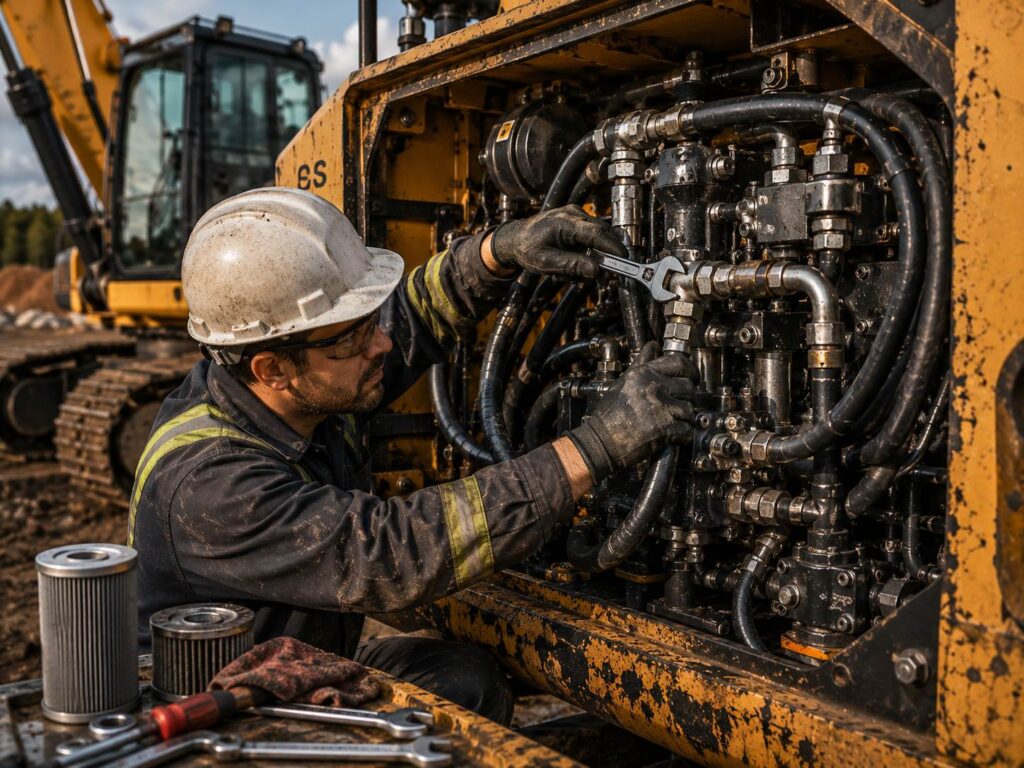
Hydraulic systems are the backbone of modern heavy equipment. From excavators and loaders to skid steers and bulldozers, hydraulic power allows machines to lift, dig, push, and perform demanding tasks with precision and efficiency.
However, hydraulic systems operate under extreme pressure and can experience wear over time. When hydraulic issues occur, they often lead to reduced performance, costly repairs, and unexpected downtime.
Understanding the most common hydraulic system problems and how to prevent them can help equipment owners maximize productivity while extending the lifespan of their machinery.
Why Hydraulic System Maintenance Matters
A hydraulic system consists of several critical components, including pumps, cylinders, hoses, valves, filters, and hydraulic fluid. If one component fails, the entire system can be affected.
Proper maintenance helps:
- Reduce equipment downtime
- Improve machine performance
- Extend component lifespan
- Lower repair costs
- Increase job site productivity
- Improve operator safety
Preventive maintenance is often far less expensive than repairing a major hydraulic failure.
1. Hydraulic Fluid Leaks
Hydraulic leaks are one of the most common problems found in heavy equipment.
Leaks can occur due to:
- Worn hoses
- Damaged seals
- Loose fittings
- Cracked cylinders
- Aging hydraulic components
Even small leaks can reduce system pressure and affect machine performance.
Prevention Tips
- Inspect hoses regularly.
- Tighten loose fittings.
- Replace worn seals promptly.
- Repair leaks immediately before they worsen.
2. Contaminated Hydraulic Fluid
Contamination is a leading cause of hydraulic system failure.
Common contaminants include:
- Dirt and dust
- Water
- Metal particles
- Debris from worn components
Contaminated fluid can damage pumps, valves, and cylinders while reducing system efficiency.
Prevention Tips
- Replace hydraulic filters regularly.
- Use clean hydraulic fluid.
- Keep reservoirs properly sealed.
- Perform routine fluid analysis when possible.
3. Overheating Hydraulic Systems
Excessive heat can significantly shorten the life of hydraulic components.
Common causes include:
- Low fluid levels
- Dirty coolers
- Excessive workloads
- Restricted flow
- Worn pumps
Overheating may cause seals to fail and hydraulic fluid to break down prematurely.
Prevention Tips
- Monitor operating temperatures.
- Maintain proper fluid levels.
- Clean cooling systems regularly.
- Avoid prolonged equipment overloading.
4. Damaged Hydraulic Hoses
Hydraulic hoses operate under extreme pressure and are constantly exposed to harsh job site conditions.
Common hose problems include:
- Cracking
- Abrasion
- Bulging
- Leaks
- Loose connections
A hose failure can quickly stop equipment operation.
Prevention Tips
- Inspect hoses daily.
- Replace damaged hoses immediately.
- Protect hoses from excessive rubbing and abrasion.
- Ensure proper routing and installation.
5. Pump Wear and Failure
Hydraulic pumps generate the pressure needed to operate the system. When pumps wear out, machine performance often declines.
Signs of pump problems include:
- Slow equipment response
- Loss of power
- Excessive noise
- Increased operating temperatures
Prevention Tips
- Use clean hydraulic fluid.
- Replace filters regularly.
- Monitor system pressure.
- Schedule routine inspections.
6. Cylinder Problems
Hydraulic cylinders are responsible for lifting, pushing, and moving equipment attachments.
Common cylinder issues include:
- Seal failures
- Bent rods
- Fluid leaks
- Reduced lifting capacity
Ignoring cylinder problems can result in costly repairs and unsafe operating conditions.
Prevention Tips
- Inspect cylinders frequently.
- Repair leaks immediately.
- Protect exposed rods from damage.
- Keep equipment clean after use.
7. Pressure Loss and Poor Performance
If equipment feels slow or lacks power, hydraulic pressure loss may be the cause.
Potential reasons include:
- Internal leaks
- Pump wear
- Faulty valves
- Contaminated fluid
- Damaged hoses
Reduced pressure directly impacts productivity and machine efficiency.
Prevention Tips
- Conduct regular hydraulic inspections.
- Monitor equipment performance.
- Address unusual operating behavior early.
- Schedule professional diagnostics when needed.
Signs Your Hydraulic System Needs Attention
Watch for these warning signs:
- Slow machine response
- Hydraulic fluid leaks
- Unusual noises
- Excessive heat
- Reduced lifting power
- Jerky machine movements
- Warning lights or error codes
Early diagnosis often prevents larger and more expensive repairs.
Trust Tillings for Hydraulic Repairs
At Tillings, we provide professional hydraulic repair services for excavators, loaders, skid steers, dozers, and other heavy equipment. Our experienced technicians diagnose hydraulic problems quickly and provide reliable repair solutions that minimize downtime and maximize performance.
Whether you need hydraulic hose fabrication, cylinder repairs, leak detection, or complete system diagnostics, our team is ready to help keep your equipment operating at its best.
Conclusion
Hydraulic systems are essential to the performance of heavy equipment. By understanding common hydraulic problems and following preventive maintenance practices, equipment owners can reduce downtime, lower repair costs, and extend the life of their machinery.
Regular inspections, proper fluid maintenance, and timely repairs are the keys to keeping hydraulic systems reliable and efficient for years to come.