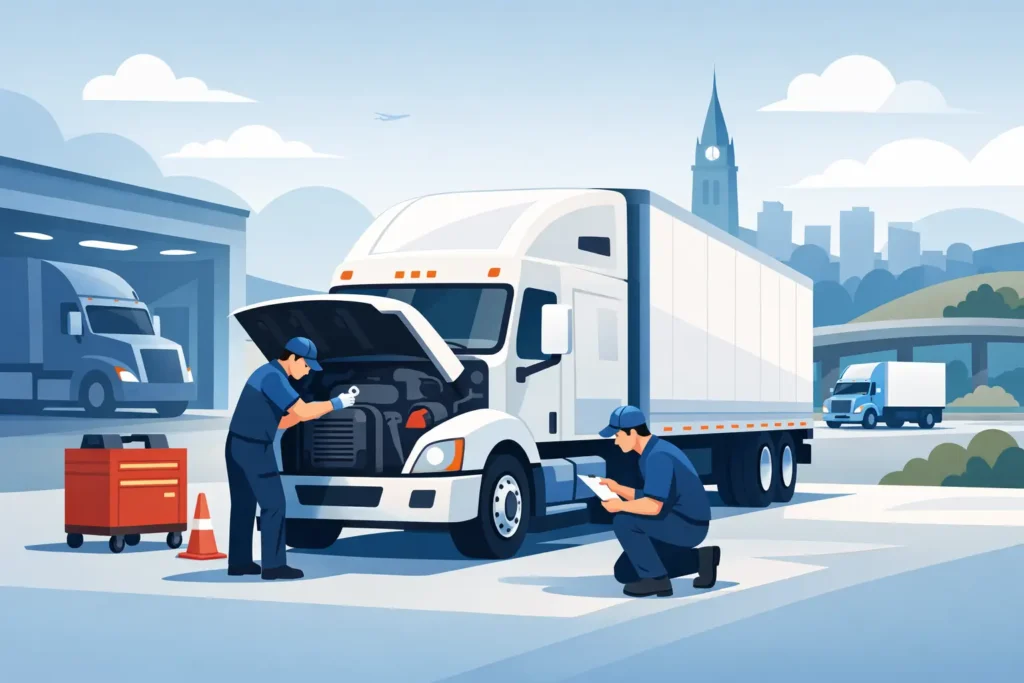
A transport truck parked unexpectedly is more than a mechanical problem. It can mean a missed pickup, an idle driver, a delayed crew, a disappointed customer, and a job site waiting on material that never arrived. When you need transport truck repair Ottawa fleet operators can rely on, the priority is clear: identify the fault quickly, repair it properly, and get the truck back to work safely.
For hauling companies, contractors, builders, and owner-operators, uptime is part of the business plan. A truck that starts hard, loses power under load, leaks air, pulls poorly, or shows a warning light may still be moving, but it is already costing you time and money. Acting early often turns a manageable repair into a scheduled shop visit instead of a roadside breakdown.
What Reliable Transport Truck Repair in Ottawa Should Cover
Commercial trucks work under demanding conditions. Stop-and-go traffic, construction entrances, gravel roads, winter salt, heavy loads, and long operating hours all put stress on engines, drivelines, brakes, suspensions, and trailer connections. Good repair service has to look beyond the immediate complaint and find the cause of the failure.
Accurate engine and transmission diagnostics are a major part of that process. A dash warning light or derate condition can be caused by several issues, from a sensor or wiring fault to fuel delivery trouble, emissions-system concerns, or a deeper engine problem. Replacing parts without proper testing can waste time and money. A technician should inspect fault codes, operating data, connections, and mechanical condition before recommending the repair.
Brake, air, and electrical systems deserve the same attention. An air leak may seem minor until pressure recovery becomes slow, a brake system warning appears, or the truck cannot leave the yard. Lighting faults, battery problems, charging issues, and damaged trailer wiring can also create safety and compliance concerns. Repairs should restore dependable operation, not simply clear a code or get the vehicle through one more shift.
Trailer service matters just as much. A tractor may be ready to roll, but damaged air lines, electrical connectors, suspension components, landing gear, brakes, or lighting can stop the whole unit. Coordinating truck and trailer repair through one local service partner helps fleet operators avoid separate delays and repeated inspections.
Fast Diagnosis Reduces the Real Cost of Downtime
The repair invoice is only one part of a breakdown. The larger cost may be lost revenue, dispatch changes, a missed delivery window, overtime, towing, rental equipment, and the disruption to the rest of the fleet. That is why response time and diagnosis matter so much.
The fastest repair is not always the best repair if the underlying issue remains. For example, replacing a damaged hose gets the truck moving, but the technician should also check why the hose failed. Was it rubbing against a bracket? Was it installed under strain? Is excessive vibration or a loose clamp creating repeated wear? Finding that answer can prevent the same truck from returning with the same problem next week.
This is especially important for hydraulic systems used on dump trucks, equipment trailers, and specialized hauling units. A failed hydraulic hose, weak cylinder, contaminated fluid, or leaking fitting can stop loading, dumping, or secure operation. Hydraulic repair and hose fabrication can be a practical advantage when the right replacement is needed quickly and the work must match the truck’s operating demands.
Mobile service can make sense when a truck is safely accessible and the repair can be completed on-site. A shop repair may be the better choice when the fault requires lifting equipment, deeper diagnostics, extensive parts replacement, or a controlled inspection. The right answer depends on the problem, the truck’s location, and whether moving it could create a safety risk.
Common Issues That Should Not Wait
Some failures are obvious, such as a no-start condition, a flat tire, a broken hose, or a truck that will not build air. Others begin as smaller warning signs. Paying attention to those signs gives you more control over repair timing.
Hard starting, excessive cranking, rough idle, reduced power, unusual smoke, overheating, fluid loss, steering play, vibration, and repeated warning lights all deserve prompt attention. A truck that runs hot under load may have a cooling-system issue that becomes far more expensive if it is ignored. A vibration that appears only at highway speed could point to tire, wheel, driveline, suspension, or brake concerns. Guessing is not a maintenance plan.
Drivers are often the first people to notice a change. A clear reporting process helps. Ask drivers to document when the issue occurs, whether it is tied to load, speed, temperature, or terrain, and which warnings appeared. Details from the road can shorten the diagnostic process once the truck reaches the technician.
Planned Maintenance Keeps Repairs From Becoming Emergencies
Emergency repairs will always happen in commercial hauling. The goal of preventive maintenance is not to eliminate every failure. It is to catch wear before it creates an unsafe condition or puts a truck out of service at the worst possible time.
A useful maintenance schedule follows actual use, not just calendar dates. A truck hauling heavy loads through construction areas will need closer attention than a lightly used unit running predictable routes. Mileage, engine hours, load type, idle time, road conditions, and seasonal demands all affect service intervals.
Routine inspections should cover fluids and filters, belts and hoses, brakes, tires, wheel ends, suspension, steering, lighting, batteries, air systems, and visible leaks. Trailer inspections should include brakes, tire condition, wiring, air connections, lights, couplers, and structural components. Keeping inspection records makes it easier to spot repeat problems and plan repairs before the next busy period.
Seasonal preparation is particularly valuable in Ottawa. Cold weather can expose weak batteries, slow cranking issues, fuel system concerns, air leaks, and cooling-system weaknesses. Spring thaw and rough job-site access can be hard on suspensions, tires, steering components, and trailer connections. A check before the season changes is usually less disruptive than an unplanned repair during it.
Choose a Repair Partner That Understands Your Operation
Not every truck repair situation needs the same response. A single owner-operator may need a quick diagnosis and a clear repair recommendation. A contractor with several dump trucks may need coordinated maintenance around active projects. A fleet manager may need repairs prioritized so the highest-value units stay available for scheduled routes.
The best service partner listens to how the truck is used before recommending the work. That means asking practical questions: Is it hauling aggregate, equipment, debris, or materials? Does it operate mostly on highways or job sites? Is the issue intermittent or constant? Is the truck needed for a committed job tomorrow? Those answers help determine what needs immediate attention and what can be scheduled.
Clear communication also matters. Operators need to know what was found, what repairs are required, what can wait, and how the work affects safe operation. Vague updates and unnecessary delays make planning difficult. Straight answers allow you to decide whether to repair, schedule follow-up work, move loads to another unit, or arrange a temporary equipment solution.
Tilling’s Repair Centre Vars supports local commercial operators with shop-based and mobile repair options for transport trucks, trailers, heavy equipment, hydraulics, and related fleet needs. For businesses that manage both trucks and job-site machinery, having one accountable local partner can simplify maintenance planning and reduce the scramble when equipment goes down.
Keep Your Next Repair From Becoming a Project Delay
When a truck develops a problem, document the symptoms, protect the driver and surrounding traffic, and avoid running the vehicle if there is a brake, steering, overheating, air-pressure, or major fluid-leak concern. A quick call made at the first sign of trouble can often prevent a much longer interruption later.
The trucks in your fleet carry more than material. They carry deadlines, customer commitments, payroll hours, and the next stage of the job. Give them the repair attention they need before a small issue decides your schedule for you.